



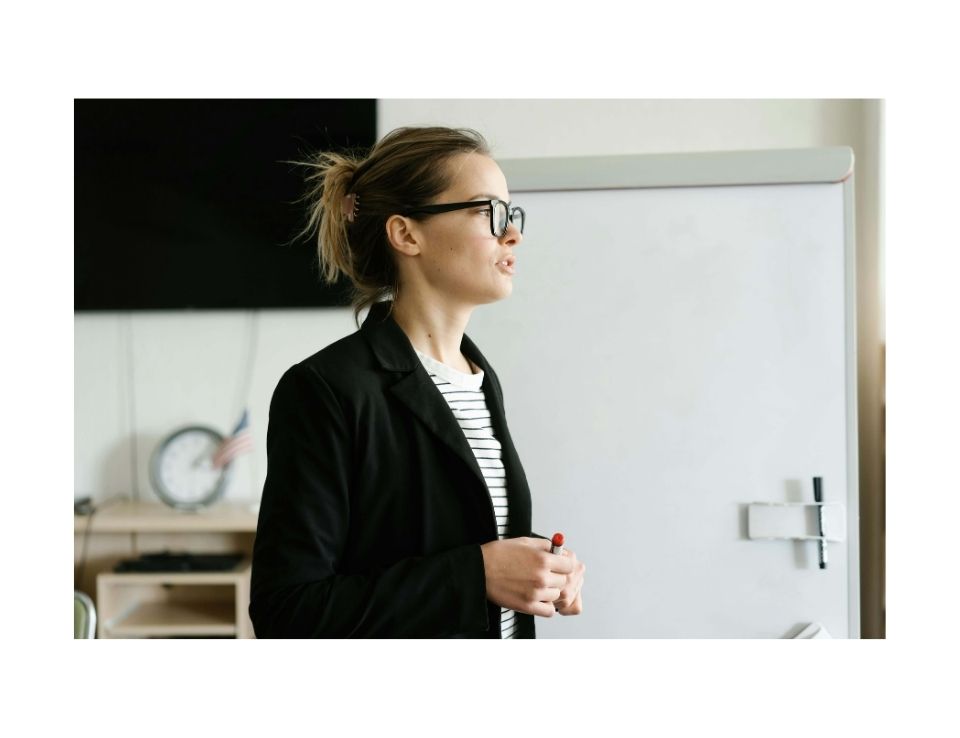
Years ago, a woman in school leadership told me about attending a program designed for those aspiring to principalship. She looked around the room and felt like she didn’t belong.
There was a lot of posturing. A lot of proving. A lot of noise. A lot of “I”.
And that wasn’t her way.
She was thoughtful. Introverted. Grounded and relational.
She was, and is, an extraordinary, quiet leader. But in that room, she felt like she didn’t fit. Like she wasn’t cut out for leadership. Like she didn’t have what it takes to succeed at that program or at school principalship.
It made me wonder what kinds of leadership we quietly privilege.
What kinds of leadership do our systems make visible?
What messages do they send about what leadership is and the approaches and styles they value?
Do we only notice loud confidence? Polished certainty? The people who speak first, longest and most publicly?
Or do we also make room for leaders who listen deeply. Who think carefully. Who don’t rush to fill the silence. Who let their work speak for itself.
Leadership doesn’t have a single shape.
But our systems and organisations often behave as if it does.
Sometimes leadership looks like standing at the front of the room. Sharing an inspiring story. Making expectations clear. Asking a powerful question.
But it also looks like building things slowly, from the ground up. Allowing space for ideas to take shape. Creating conditions for others to emerge and do their best work, in their own style.
That is leadership too.
Quieter. Less performative. No less powerful.